
OHIP Remittance Advice Reconciliation for Ontario Medical Practices
A bookkeeping framework for connecting remittance advice, deposits and practice records while keeping medical billing and coding decisions with the appropriate practice resources.

Reconcile what the practice received to what the Ministry reports, identify explanatory items, and keep unresolved billing questions separate from the bookkeeping entry.
Start with the Ministry’s monthly payment cycle
Ontario’s Medical Claims Electronic Data Transfer (MCEDT) guidance describes a monthly processing cycle and recommends that claim files be submitted weekly. The Ministry says submissions received by the 18th of the month will typically be processed for approval in the following month, subject to weekends, holidays and current processing rules.
That timing matters for bookkeeping because the date of service, claim-submission date, remittance advice period and bank-deposit date may not all fall in the same month.
Scope note: This article addresses financial reconciliation. Taxxel does not determine which OHIP fee code should be billed, whether a clinical service meets billing criteria, or how medical documentation should be prepared.
Reconcile the payment without hiding the exceptions
Collect the period
Gather the remittance advice, payment information, related deposits, claim reports available to the practice, and any outstanding explanatory items.
Match the deposit
Connect the amount received to the accounting period and identify adjustments or other payment components that affect the bank deposit.
Separate exceptions
Record explanatory codes, unpaid or adjusted items, and other differences as follow-up items rather than forcing the books to match an expected amount.
Post the accounting entry
Record the payment and any properly supported adjustments in the practice or professional-corporation books.
Carry forward open items
Maintain an outstanding list for items requiring medical-billing review, resubmission, inquiry, or later payment.
Keep these five records connected
Do not force unresolved items into revenue
Ontario publishes Remittance Advice explanatory codes that clarify payment exceptions found on monthly remittance statements. From a bookkeeping perspective, those codes help identify why the payment may differ from the amount expected by the practice.
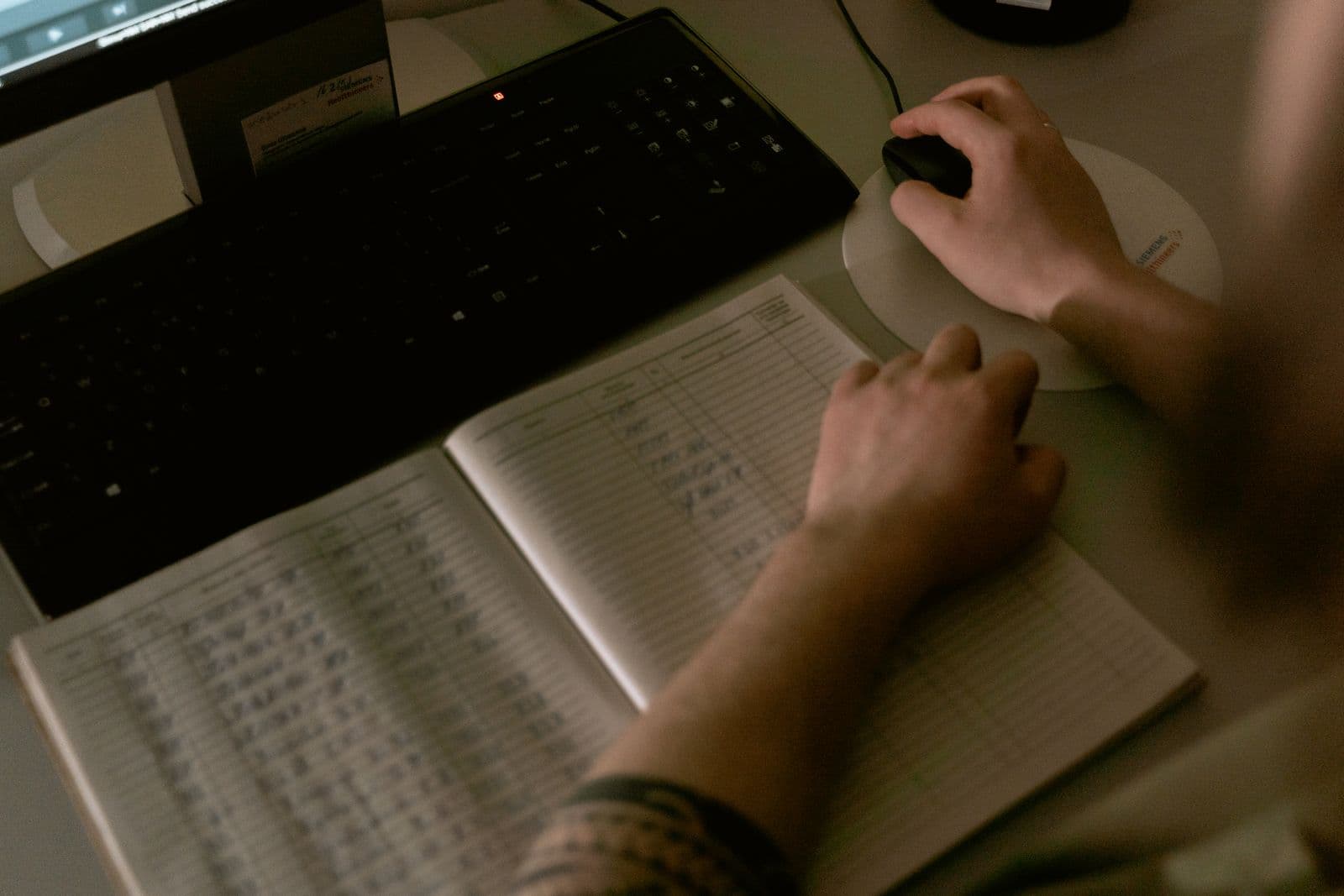
Need the practice books and OHIP deposits reconciled?
Taxxel can help organize the monthly financial file, reconcile payment information to bank deposits, and keep open items visible for the practice to follow up.
Medical Practice Bookkeeping